


Aarnavi
Chennai India, olive ridley tracking
A project of Tree Foundation, India.
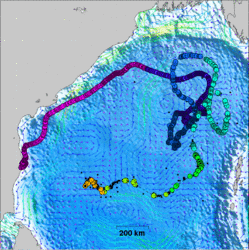 click map for full-size version |
Full-Size Map (129KB)
Zoom Map (63KB)
Species: Olive Ridley
Life Stage: Adult
Gender: Female
Release Date: 2010-03-13 00:00:00
Release Location: Chennai
Last Location: 2010-10-10 19:58:27
Background
 Aarnavi means ocean in Sanskrit. She measured 72 cm curved carapace length and the tag is a Sirtrack Kiwisat 202. Aarnavi is a beautiful turtle (clear markings)who did not nest, but was crawling all around the beach on the vegetation for more than 30 min. and then started to go back into the sea when we restrained her for the tagging process.
Aarnavi represents threats due to Habitat Loss. On the beach, these terrestrial threats include.
I. Sand Mining The mining or removal of beach sand causes severe and long lasting detrimental effect to the environment. Coastal sand mining can change the entire beach's geomorphology and restoration of the beach often takes years resulting in loss of available habitat for marine flora, fauna and sea turtles.
II.Beach Armoring: The deliberate armoring of the coast with the sole purpose of protection of upland structures is rapidly degrading sea turtle nesting habitats in many parts of the country.
III.Artificial Illumination: For the Adult turtles- Artificial illumination on the nesting beaches disrupts the nest site selection, abandonment of nesting behavior, disruption of sea finding ability. For Hatchling - Sea Turtle hatchlings orient themselves towards the sea as soon as they emerge from the nest. Under natural conditions they recognize the ocean as it is the brighter horizon as a result of starlight and moonlight shimmering on the ocean. The artificial lights disorient the hatchlings towards the land away from the sea.
IV.Coastal Development: Highways and marine drives on sand dunes have invaded sea turtle nesting sites and highway illumination and vehicular traffic illumination have impacted marine turtles directly with less space to nest.
V.Exotic Plantations: Dramatic alteration of beach profile along with loss of nesting beaches between the High tide line and the berm on the seaward side. The non native vegetative cover also provides shelter for natural predators like Jackals and stray dogs.
VI.Ports, Harbors and Jetties: Poorly planned location of ports, harbors and jetties close to or on marine turtle nesting sites and breeding congregations directly impacts their populations in addition to permanent loss of their nesting and congregation habitats.
VII.Pollution: Urban and maritime pollution leads to death of nesting turtles and other marine life. The feeding habits along with their preference of nesting beaches get altered because of pollution.
