


Isaschar
Israel's sea turtle monitoring program
A project of Israel Nature and Parks Authrity.
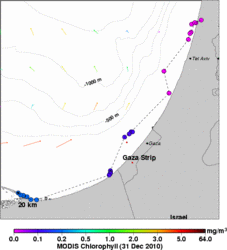 click map for full-size version |
Full-Size Map (34KB)
Species: Green Turtle
Life Stage:
Gender: unknown
Release Date: 2014-06-17 12:00:00
Release Location:
Last Location: 2014-06-22 04:16:42
Background
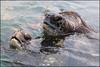 Isashar is a green sea turtle who was part of a special, one of a kind project: A breeding stock whose purpose is to help revive the population of green sea turtles in the eastern basin of the Mediterranean Sea the reason being that Green sea turtles are highly endangered in this area.
In 2002 the Green sea turtle breeding stock was founded with a base of 28 hatchlings taken from different nests along Israel's shores that year. The turtles reach maturity at approximately age 15-20 meaning that we'll probably start to see breeding activity sometime in the next two years. Even this year we already saw some "flirting" among the males and females of the breeding stock but in the Ultra-Sounds we didn't see any pregnancies.
When the time comes the females will lay their eggs in nests they dig on artificial shores that will be built near their pools. These nests will be copied to protected shores in nature reserves, where the hatchlings will hatch and go straight to the sea. In this way the number of green sea turtles breeding in Israel will greatly increase.
Since the founding of the breeding stock 12 years ago the turtles there have received dedicated treatment and constant tracking of their growing and health.
Once every two weeks we empty the larges pools the turtles live in, in order to measure, weigh and clean the turtles and of course the pools. On the day he hatched, Isashar weighed only 19 g. and on the day of his release to the sea he weighed 50 kg's!
Because of technical and physical limitations in the current condition of the rescue center it was decided to decrease the number of turtles in the breeding stock. After checking all the possible options it was decided with the help of the science department of the National Nature and Parks Authority that a few turtles from the breeding stock would be carefully chosen to be released to the sea.
Releasing a turtle that's lived all its life in captivity to the sea is not an easy decision to make and raises many questions about the turtle's ability to adjust to life in the sea; foraging for food, special orientation and their regard to humans etc...
In order to answer these questions, satellite trackers were purchased meant to help us track the turtles and their whereabouts after their release and learn about their behavior in the open sea. The success of the turtles release and their adjustment to their new environment could show us that turtles grown in captivity or that have lived in captivity for a long period of time can adjust to living in the sea and maybe in the future we will be able to release more turtles!
Ãâ¢Ã©Ã©ÃâºÃ¨ ÃâÃâ¢Ã Ã¦Ãâ Ãâ¢Ã Ãâ¢Ã¨Ãâ¢Ã§ ÃâÞéêÃâ¢Ãâ¢ÃÅ¡ ÃÅäèÃâ¢Ãâ¢Ãâ¢Ã§ÃË ÃžÃâ¢Ãâ¢ÃâÃâ Ãâ¢Ãâ¢Ãâ¢ÃâÃâ¢ÃâÃ⢠éÃÂÃâ¢ÃŸ âÃâ¢Ãâ ÃâºÃâÃâ¢ÃâÞêÃ⢠ÃââÃâ¢ÃÅàÃâºÃâ¢ÃÅÃâ¢: ÃâèâÃâ¢ÃŸ èÃâÃâ¢Ãâ¢Ãâ éÞÃËèêÃ⢠ÃÂÃâ¢Ã©Ãâ¢Ã© ÃÂÃâ¢ÃâºÃÅÃâ¢Ã¡Ãâ¢Ãâ¢Ãª æÃâÃ⢠ÃâÃâ¢Ã ÃâÃâ¢Ã¨Ãâ¢Ã§Ãâ¢Ã ÃâÃÂÃâß ÃâÃâ¢Ã ÃâêÃâ¢ÃâºÃâ¢ÃŸ. æÃâÃ⢠ÃâÃâ¢Ã ÃâÃâ¢Ã¨Ãâ¢Ã§Ãâ¢Ã Ã ÃžÃ¦ÃÂÃâ¢Ã ÃâáÃâºÃ Ãª ÃâÃâºÃâÃâÃâ ÞÞéÃâ¢Ãª ÃâÃÂÃâÃâ¢Ã¨ ÃâÃâ.
Ãâéàê 2002 ÃâÃâ¢Ã§Ã ÃâèâÃâ¢ÃŸ ÃâèÃâÃâ¢Ãâ¢Ãâ âÃÅ ÃâáÃâ¢Ã¡ 28 ÃÂÃâçÃâ¢Ã¢Ãâ¢Ã Ã©ÃŠæÃâÃ⢠Ãâ¢Ã Ãâ¢Ã¨Ãâ¢Ã§Ãâ¢Ã Ã©ÃâçâÃ⢠ÃâÃâÃâ¢Ã¤Ã⢠Ãâ¢Ã©Ã¨ÃÂÃÅ ÃâÃÂÃâ¢ÃªÃâ éàÃâ. ÃâæÃâÃâ¢Ã ÃžÃâÃâ¢Ã¢Ãâ¢Ã ÃÅÃâÃâèÃâ¢Ãª ÞÃâ¢Ã Ãâ¢Ãª ÃâÃâÃâ¢ÃÅ 10-15 ÃââèÃÅ¡, ÃâºÃÅ¡ éÃÂàÃ⢠ÞæäÃâ¢Ã ÃâºÃ⢠ÃâÃËÃâ¢Ãâ¢Ãâ éÊéàêÃâ¢Ãâ¢Ã ÃžÃâÃâ¢Ãâ¢Ã ÃªÃâÊäâÃâ¢ÃÅÃâ¢Ãª ÃâèÃâÃâ¢Ãâ¢Ãâ éÃÅÃâÃÂ. ÃâºÃâè ÃâéàÃâ ÃâÃâÃâ¢Ã Ã⢠Ãâ"ÞéÃâçÃ⢠ÃÂÃâÃâÃâ" èÃÂéÃâ¢Ã Ãâ¢Ã ÃâÃâ¢ÃŸ ÃâÃâºÃ¨Ãâ¢Ã Ãâ¢Ã Ã§ÃâÃâ¢Ãª ÃâêÃâ¢ÃÅ¡ ÃâèâÃâ¢ÃŸ ÃâèÃâÃâ¢Ãâ¢Ãâ, ÃÂÃÅ¡ ÃâÃâÃâÃâ¢Ã§Ãª ÃÂÃâ¢ÃÅÃËèÃâ-áÃÂÃâ¢Ã Ãâ ÃÅààÞæÃÂÃ⢠àçÃâÃâ¢Ãª ÃâèÃâ¢Ãâ¢Ã Ãâ¢Ãâ¢Ãª.
ÃâÃâÃâ¢Ã Ãââê, âêÃâ¢ÃâÃâ¢Ãª ÃâæÃâÃâ¢Ãª ÃÅÃâÃËÃâ¢ÃÅ ÃÂê ÃâÃâÃâ¢Ã¦Ãâ¢Ã ÃâÃâÃâ¢Ã£ ÞÃÅÃÂÃâºÃâ¢ÃªÃ⢠éÃâ¢ÃâÃâ¢Ãâ æÞÃâ¢Ãâ ÃÅÃâèÃâ¢ÃâºÃâ¢Ãª éÃÅÃâß. ÃâÃâ¢Ã¦Ãâ¢Ã ÃÂÃÅÃâ Ãâ¢Ãâ¢Ã¢ÃªÃ§Ã⢠ÃÅÃâÃâ¢Ã¤Ãâ¢Ã ÃâÞÞÃâ¢Ã§ÃžÃâ¢Ã ÃâéÞÃâ¢Ã¨Ãâ¢Ãª ÃËÃââ, éàÃâ¢ÃâÃâ¢ÃâÃ⢠ÃâÃÂÃâçÃâ¢Ã¢Ãâ¢Ã Ãâ¢Ã©Ã¨ ÃÂÃÅ ÃâÃâ¢ÃÂ. ÃâÃâºÃÅ¡ Ãâ¢ÃâÃâÃÅ ÃâÃÂÃâ¢Ã¤ÃŸ àÃâ¢ÃâºÃ¨ Þáäè æÃâÃ⢠ÃâÃâ¢Ã ÃâÃâ¢Ã¨Ãâ¢Ã§Ãâ¢Ã ÃâÞêèÃâÃâ¢Ã ÃâÃâ¢Ã©Ã¨ÃÂÃÅ.
ÃâÞÃâÃÅÃÅ¡ 12 ÃâéàÃâ¢Ã ÃâÃâß çÃâ¢Ãâ¢Ã ÃâèâÃâ¢ÃŸ ÃâèÃâÃâ¢Ãâ¢Ãâ, ÃâÃâ¢ÃâºÃâ¢Ã ÃâæÃâÃâ¢Ã ÃÅÃËÃâ¢Ã¤Ãâ¢ÃŠÞáÃâ¢Ã¨ Ãâ¢ÃžÃ¢Ã§Ãâ æÞÃâ¢Ãâ ÃÂÃâè ÃâÃâÃâ¢ÃÅêàÃâ¢ÃžÃ¦ÃâàÃâÃâèÃâ¢ÃÂÃâ¢ÃªÃâ¢. äâàÃâéÃâÃâ¢Ã¢Ãâ¢Ãâ¢Ã ÃžÃ¨Ãâ¢Ã§Ã Ãâ¢Ã ÃÂê ÃâÃâèÃâ¢ÃâºÃâ¢Ãª ÃâÃâÃâÃâ¢ÃÅÃâ¢Ãª ÃâÃâß éÃâ¢ÃâÃâ¢Ã ÃâæÃâÃâ¢Ã ÃÅæÃâ¢Ã¨ÃÅ¡ àÃâ¢Ã§Ãâ¢Ã⢠ÃâÃâèÃâ¢ÃâºÃâ¢Ãª Ãâ¢ÃâæÃâÃâ¢Ã Ãâ¢ÃÅæÃâ¢Ã¨ÃÅ¡ ÞÃâÃâ¢ÃâÃâ¢Ãª Ãâ¢Ã©Ã§Ãâ¢ÃÅÃâ¢Ãª ÃâæÃâÃâ¢ÃÂ. Ãâ¢Ã©Ã©ÃâºÃ¨ éçÃÅ 19 ÃâèàÃâÃâ¢Ãâ¢Ã ÃâçÃâ¢Ã¢ÃªÃ⢠Ãâ¢ÃâÃâ¢Ãâ¢Ã Ã©ÃâèÃâ¢Ã¨Ã⢠éçÃÅ Ãâ¢Ã©Ã©ÃâºÃ¨ 40 ç"Ãâ!
ÃâéÊÞÃâÃâÃÅÃâ¢Ãª ÃâêàÃÂÃâ¢Ã ÃâçÃâ¢Ãâ¢ÃžÃâ¢Ã ÃâÞèÃâºÃâ ÃâÃâæÃÅÃâ ÃâÃâ¢ÃâÃÅÃË ÃâºÃ⢠Ãâ¢Ã© ÃÅæÞæàÃÂê Þáäè ÃâæÃâÃâ¢Ã ÃâÃâèâÃâ¢ÃŸ ÃâèÃâÃâ¢Ãâ¢Ãâ. ÃÅÃÂÃâè ÃâÃâÃâ¢Ã§Ãª ÃâºÃÅ ÃâéÃâ¢Ã§Ãâ¢ÃÅÃâ¢Ã Ã¢ÃÅ Ãâ¢ÃâÃ⢠ÃÂàéÃ⢠ÃâÃËÃâ¢Ãâê ÃâÞÃââ éÊèéÃâ¢Ãª ÃâÃËÃââ Ãâ¢ÃâÃâàÃâ¢Ã Ã ÃâÃâèÃ⢠ÃâºÃžÃâ æÃâÃâ¢Ã Ã©Ãâ¢Ãâ¢Ã¢ÃâÃ⢠ÃÅéÃâèÃâ¢Ã¨.
éÃâèÃâ¢Ã¨ æÃâÃâ¢Ã Ã©ÃâÃâÃÅÃ⢠ÃâºÃÅ ÃâÃâ¢Ãâ¢ÃâàÃâéÃâÃ⢠ÃÂÃÅ ÃâÃâ¢Ã ÃâäêÃâ¢Ãâ ÃÂÃâ¢Ã Ã Ã⢠ÞÃâ¢Ãâß ÞÃÂÃÅÃâ¢Ã⢠Ãâ¢ÃžÃ¢ÃÅÃâ éÃÂÃÅÃâ¢Ãª èÃâÃâ¢Ãª ÃÅÃâÃâÃ⢠Ãâ¢ÃâºÃâ¢ÃÅê ÃâÃâáêÃâÃÅÃâ¢Ãª éÃÅ ÃâæÃâÃâ¢Ã ÃâáÃâÃâ¢ÃâÃâ ÃâÃâ¢ÃžÃâ¢Ãª; ÞæÃâ¢ÃÂê ÞÃâÃâ¢ÃŸ, ÃâêÞæÃÂÃâ¢Ãª ÃâÞèÃâÃâ, ÃâÃâêÃâ¢Ãâ¢ÃâáÃâ¢Ãª ÃÅÃÂÃâàÃâºÃžÃ§Ãâ¢Ã¨ ÃÅÞÃâÃâ¢ÃŸ Ãâ¢Ã¢Ãâ¢Ãâ.
ÃâÃâºÃâÃ⢠ÃÅâàÃâ¢Ãª âÊéÃÂÃÅÃâ¢Ãª ÃÂÃÅÃâ àèÃâºÃ©Ã⢠ÞéÃâèÃâ¢Ã ÃÅÃâ¢Ãâ¢Ãâ¢Ã Ãâ¢Ãâ¢Ã Ã©Ã Ãâ¢Ã¢ÃâÃ⢠ÃÅÃÂäéè ÃÅàÃ⢠ÃÅâçÃâ¢Ãâ ÃÂÃâè ÃâæÃâÃâ¢Ã ÃÅÃÂÃâè éÃâèÃâ¢Ã¨Ã Ãâ¢ÃÅÃÅÞÃâ¢Ãâ âÃÅ ÃÂÃâ¢Ã¤ÃŸ ÃâêàÃâÃÅÃâ¢ÃªÃ ÃâÃâ¢Ã ÃâäêÃâ¢Ãâ. ÃâæÃÅÃâê ÃâéÃâèÃâ¢Ã¨ Ãâ¢ÃâêÃÂçÃÅÞÃâ¢Ãª ÃâæÃâ ÃâáÃâÃâ¢ÃâêÃ⢠ÃâÃâÃâéÃâ Ãâ¢ÃâºÃâ¢ÃÅÃâ¢Ãª ÃÅÃÅÞÃâ ÃÂÃâ¢ÃªÃ Ã⢠ÃâºÃ⢠æÃâÃâ¢Ã Ã©ÃâÃâ¢ÃâÃÅÃ⢠ÃâéÃâÃ⢠ÃÂÃ⢠éÃâÃ⢠ÃâéÃâÃ⢠êçÃâ¢Ã¤Ãâ ÞÞÃâ¢Ã©ÃâºÃª Ãâ¢ÃâºÃâ¢ÃÅÃâ¢Ã ÃÅÃâáêÃâè ÃâÃâ¢Ã ÃâäêÃâ¢Ãâ Ãâ¢ÃââêÃâ¢Ãâ àÃâ¢ÃªÃŸ Ãâ¢ÃâÃâ¢Ãâ ÃÅéÃâèè æÃâÃâ¢Ã Ã Ãâ¢Ã¡Ã¤Ãâ¢ÃÂ.
